What were the original rules and betting options for roulette?
The original rules and betting options for roulette were relatively simple. The game featured a spinning wheel with numbered pockets, typically ranging from 1 to 36. The early versions of the game also featured a single zero pocket, which gave the house a slight edge. In some variations, there was also a double zero pocket, which further increased the house edge.
Players would place their bets on the table, which had a grid layout that corresponded to the numbers on the wheel. They could place bets on a single number or a group of numbers, with different payouts depending on the odds of the bet.
The simplest bets were “inside” bets, which involved placing chips directly on a single number or a small group of adjacent numbers. The payout for these bets was higher, as they were less likely to win. Players could also make “outside” bets, which covered larger groups of numbers and offered lower payouts.
Some common outside bets included betting on whether the winning number would be odd or even, red or black, or high or low (1-18 or 19-36). Another popular outside bet was the “dozen” bet, which involved betting on one of three groups of 12 numbers (1-12, 13-24, or 25-36).
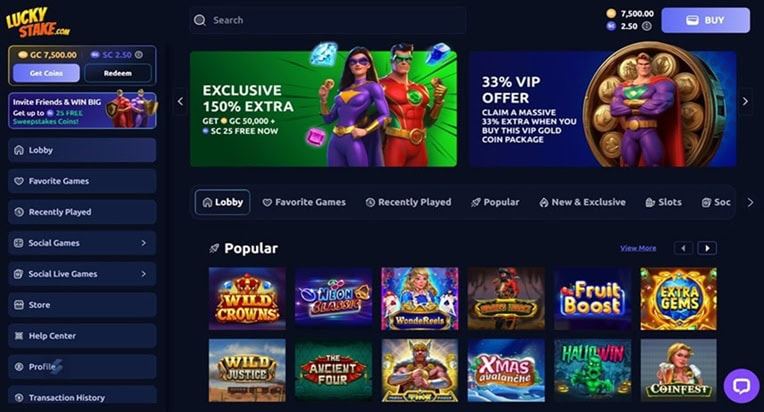
lucky stake casino login
WPT Global Newest Promo: Ticket to Some Additional Play Money
Instant Payout Casinos USA 2026: Fastest Withdrawals & How to Get Paid Quickly
ルイザの屋敷攻略ガイド:入れない原因と正しい進行情報
Best Online Casino USA 2026: Top Real Money Sites Ranked
酔わない設定徹底解説|バイオハザード ヴィレッジの酔い対策ガイド
What role did roulette play in popular culture such as movies and literature?
WPT Global Bonus Terms: Cashing In Made Simple
スマスロバイオヴィレッジ突破率63%!7G継続の衝撃事実
How to Speak to a Live Customer Service Representative
What are some famous roulette scandals and controversies throughout history?
luckystake
A Woman’s Guide to Selecting the Perfect Sex Toy
WPT Global Now Title Sponsor For Triton Poker Super High Roller Series
Bitstarz no deposit bonus up to 5 BTC and 200 free spins
How Online Casino Customer Support Works in the USA
Who Regulates Online Gambling in the United States?
Understanding the Role of Casino Customer Support in the USA
Is Global Poker Real Money?
Gamblers Anonymous Hotline Number
WSOP USA Top 8 FAQ
7 Dead-Simple Ways to Spot Legit Casino Sites (No More Scams!)
lucky stake casino
Casino Customer Support Methods in the USA Explained (FAQ)
What are some famous roulette scandals and controversies throughout history?
US Online Gambling legality: Is It Legal Where You Live?
WPT Global Bonus Terms: Cashing In Made Simple
The $20 Casino Method: Simple Safe Slot Strategy for Small Wins
バイオヴィレッジ天国モードの期待度徹底解説
What is Hyper Dash in WPT Global?Dive into Quick Thrilling Poker Action!
バイオハザード ヴィレッジ ミアの正体は衝撃の真相!【ネタバレ】
バイオハザード ヴィレッジのクリア時間は?目安を解説
WPT Global No Deposit Bonus 2025 – Try Real Online Poker Risk-Free
lucky stake casino
Is Global Poker Legit?
Big Casino Wins: What Happens When You Hit $100000
Online Gambling Lawsuits: Are There Cases You Can Learn From?
バイオRE:2 天井狙いの最新ガイド|初心者から実戦まで
スマスロバイオの勝率は?設定6の実戦データを解説
WPT World Championship 2024 Kicks Off at Wynn Las Vegas: What to Expect
What Is 1-800-GAMBLER?
Get Money Back From Online Casino: 7 Steps That Actually Work
バイオハザード RE:2平均プレイ時間完全ガイド【2026年最新】
Can Online Casinos Legally Keep Your Winnings?
FAQ
lucky stake
What Is Casino Customer Service? The Secret to VIP Guest Experience
Is Online Poker Rigged?
Win Real Cash: Top Legit US Online Casinos 2026
What Is the Role of Customer Care Support?
バイオハザードRE2スロットの当選率と演出の信頼度を徹底解説
Who invented the game of roulette?
Paulius Plausinaitis Wins GGMillion$ SHR for $315054
WPT Global Million Sunday Hyper PKO Showdown: Event Details & Guide
バイオヴィレッジ天国モードの期待度徹底解説
Online Casino Welcome Bonus No Deposit 2025
luckystake
バイオハザード8の裏ワザ・攻略のコツ|弾薬無限化とクリア後特典
LuckyStake Casino Mobile Guide: Browser Play Apps and Account Access
スマスロバイオヴィレッジ突破率63%!7G継続の衝撃事実
WPT World Championship 2024 Kicks Off at Wynn Las Vegas: What to Expect
2025 WSOP Explosion! New Formats + Huge Prizes Poker Players Must Not Miss It!
What Is the Role of Customer Care Support?
Casino Support Issues and Refund Questions Explained (USA FAQ)
バイオハザード ヴィレッジスロット レア役確率まとめ
Shevliakov’s Comeback Wins Million-Euro Prize! How Did an Amateur Shock Everyone at the EPT Monte Carlo?
スマスロバイオの勝率は?設定6の実戦データを解説
lucky stake
Top 5 Online Casinos of 2025: Where to Play and Win Big
Best USA Online Casino 2026: Top Pick & Alternatives
Can Online Casinos Legally Refuse Your Winnings? Shocking Truth Revealed
What is the origin of the name Roulette?
How Casinos Guarantee They Always Win (The Shocking Math)
When and why was the double zero added to the American roulette wheel?
WPT Global Withdrawal Guide: Cashing Out Made Simple
Can You Get Money Back From an Online Casino?
What is Hyper Dash in WPT Global?Dive into Quick Thrilling Poker Action!
Help for Online Gambling Addiction — Quick Guide to Get Support
luckystake
Who Can Help With a Gambling Addiction? Find Support
Top Online Casino Apps of 2025
スマスロバイオハザードのやめどき完全ガイド!AT終了後の鉄則と続行すべき3つのパターン
How to Help Someone with Gambling Addiction in USA: Complete Guide 2026
Online Casino Help in the USA: How Player Expectations Change Over Time
24/7 Customer Support: Best Practices
Big Casino Wins: What Happens When You Hit $100000
US Online Gambling legality: Is It Legal Where You Live?
Everygame Poker Review: Your Guide to Online Poker
Gaming Support Demystified: What It Really Does for Your Team
What is the future of the game of roulette?
luckystake
One Shot – Freezeout Tournament by WPT Global
バイオハザード ヴィレッジ 赤ちゃんの正体とは?徹底解説
Shevliakov’s Comeback Wins Million-Euro Prize! How Did an Amateur Shock Everyone at the EPT Monte Carlo?
What Is Casino Customer Service? The Secret to VIP Guest Experience
Is Online Poker Rigged?
Everygame Poker Review: Your Guide to Online Poker
バイオRE2スロット終了後は?外観ステージ確認とやめどき
スマスロバイオの勝率は?設定6の実戦データを解説
Online Casino Payouts: Who to Contact and What to Do
How to Speak to a Live Customer Service Representative
luckystake
バイオハザードRE2スロットの当選率と演出の信頼度を徹底解説
バイオハザード ヴィレッジのAT期待枚数は?純増から計算
スマスロバイオの勝率は?設定6の実戦データを解説
バイオハザード ヴィレッジスロット レア役確率まとめ
Golden Bounty Championship: Your Weekly Shot at $100K on WPT Global
How Long Can an Online Casino Hold Your Money?
Does the Gambling Hotline Actually Help?
酔わない設定徹底解説|バイオハザード ヴィレッジの酔い対策ガイド
Qualify for the WPT Global Main Event via Low Buy-In Satellites
How to Download WSOP NV
What is the future of the game of roulette? One potential future for roulette is the integration of virtual and augmented reality technologies. This would allow players to immerse themselves in a virtual casino environment and enjoy a more realistic and engaging gaming experience.
Another potential future for roulette is the continued growth of online gaming. As more and more people turn to the internet for their gaming needs, online casinos are likely to become even more popular.
When and where was the game of roulette first played?
lucky stake casino login
LuckyStake Casino Guide: Games Account Access and How the Platform Works
Which Countries Can Play WPTGlobal in 2024?
Brazilian Rising Star Shocks Everyone by Winning Million-Euro Prize in Monte Carlo Poker World Welcomes a Super Dark Horse!
WPT Global’s Sunday Hyper PKO Showdown: Low Buy-In High Excitement
Everygame Poker Review: Your Guide to Online Poker
What is the origin of the name Roulette?
Play Online Poker on Android: The 2025 Guide
Doug Polk Faces Backlash Over Playing in His Own Tournaments at The Lodge
バイオハザードRE2スロットの当選率と演出の信頼度を徹底解説
How to Win at Online Slots in 2025 with WPT Global
lucky stake casino login
WPT Global ¥110 CN¥ Million Sunday Hyper PKO Showdown
How to Get Money Back from Gambling Sites: 6 Real Ways to Try
What Is a Gaming Support Job? Full Role Breakdown
スマスロバイオハザードのやめどき完全ガイド!AT終了後の鉄則と続行すべき3つのパターン
Online Casino Payouts: Who to Contact and What to Do
Big Casino Wins: What Happens When You Hit $100000
Paulius Plausinaitis Wins GGMillion$ SHR for $315054
What Is 1-800-GAMBLER?
Fastest Ways to Contact Casino Support Now
Most Trusted Online Casino: WPT Global
When and where was the game of roulette first played? The game as we know it today first appeared in Paris in 1796, and quickly gained popularity throughout Europe, especially in the casinos of Monte Carlo. The addition of the zero by Francois and Louis Blanc in the mid-19th century helped to increase the house edge and make the game more profitable for casinos.
Who invented the game of roulette?
luckystake casino
Can You Get Money Back From Gambling Sites?
What were the original rules and betting options for roulette?
What are some famous roulette scandals and controversies throughout history?
Cory Zeidman Pleads Guilty to Sports Betting Fraud Scheme
バイオハザードパチスロやめどき最強ルール公開!勝率爆上げ
How to win at slots Tricks to improve your odds
バイオハザードVillage最高難易度は?
How to Get Money Back from Gambling Sites: 6 Real Ways to Try
Brazilian Rising Star Shocks Everyone by Winning Million-Euro Prize in Monte Carlo Poker World Welcomes a Super Dark Horse!
Top 5 Online Casinos of 2025: Where to Play and Win Big
lucky stake
バイオハザード RE:2 サブ液晶タッチ後の挙動を解説
Most Trusted Online Casino: WPT Global
バイオハザード ヴィレッジ ミアの正体は衝撃の真相!【ネタバレ】
WPT World Championship 2024 Kicks Off at Wynn Las Vegas: What to Expect
WPT Global’s Sunday Hyper PKO Showdown: Low Buy-In High Excitement
Play Online Poker on Android: The 2025 Guide
スマスロバイオの勝率は?設定6の実戦データを解説
Get Money Back From Online Casino: 7 Steps That Actually Work
WPT Global Spring Festival: $7000000 Guaranteed Prize Pool
How to Win at Online Blackjack: Strategies for 2025
Who invented the game of roulette? The exact origins of roulette are a subject of much debate and speculation among historians and gambling enthusiasts. While there is no clear consensus on the game’s inventor, several theories exist regarding its creation.
One of the most popular theories is that the game was invented by a French mathematician named Blaise Pascal in the 17th century. According to this theory, Pascal was attempting to develop a perpetual motion machine when he inadvertently created the roulette wheel.
バイオハザード ヴィレッジはひどいですか?結論と検討点
lucky stake casino login
How Casinos Guarantee They Always Win (The Shocking Math)
Qualify for Red Dragon Poker Tour Jeju 2025 via WPT Global Satellites
What are some famous roulette scandals and controversies throughout history?
FanDuel Support Contact Guide: Fast Ways to Get Help Now
WPT Global Million Sunday Hyper PKO Showdown: Event Details & Guide
When and where was the game of roulette first played?
Doug Polk Faces Backlash Over Playing in His Own Tournaments at The Lodge
バイオハザードビレッジ最高難度はこれ
US Online Gambling legality: Is It Legal Where You Live?
Instant Payout Casinos USA 2026: Fastest Withdrawals & How to Get Paid Quickly
WPT Global: The Premier Choice for Poker Players
WPT Global ¥110 CN¥ Million Sunday Hyper PKO Showdown
How to Get Your Money Back From Online Gambling
Frank Stepuchin Leads 2024 WPT Seminole RRPO After Day 1
Can You Get Money Back From Gambling Sites?
バイオハザード ヴィレッジはひどいですか?結論と検討点
Gamblers Anonymous Hotline Number
WSOP USA Top 8 FAQ
Understanding the Role of Casino Customer Support in the USA
lucky stake casino login
WPT Global Withdrawal Guide: Cashing Out Made Simple
Top 5 Online Casinos of 2025: Where to Play and Win Big
LuckyStake Casino Games Guide: Slots RTP Volatility and Game Features Explained
What is Hyper Dash in WPT Global?Dive into Quick Thrilling Poker Action!
バイオRE2スロット終了後は?外観ステージ確認とやめどき
Real-Money Online Casinos in the USA: Are They Legit?
Will Banks Refund Gambling?
Why Is My Online Casino Not Paying Out?
バイオハザードRE:2継続率一覧!77%!87%!パチンコ・パチスロ完全比較
Instant Payout Casinos USA 2026: Fastest Withdrawals & How to Get Paid Quickly
『バイオハザード Village』の最高難易度は「Village of Shadows」です。これは本作の中で最も難しく、敵の攻撃が強くなるだけでな
Are Online Casinos Rigged? How to Spot Red Flags and Stay Safe
luckystake
バイオハザード ヴィレッジ やめどき 完全ガイド
WPT Global Bonus Terms: Cashing In Made Simple
Can You Sue an Online Casino for Not Paying Out?
LuckyStake Casino Games Guide: Slots RTP Volatility and Game Features Explained
Shevliakov’s Comeback Wins Million-Euro Prize! How Did an Amateur Shock Everyone at the EPT Monte Carlo?
Where Can You Play WPT Global? Supported Countries & Platform Highlights
How to Download Register and Master WPT Global: 2025 Ultimate Guide
Can You Get Money Back From an Online Casino?
Can I Use a VPN to Gamble in the US? The Truth Will Shock You
Timothy Chung: From Birthday Party to WPT Prime UK Champion
luckystake casino
バイオヴィレッジ パニックゾーン当選率完全解説!設定6は18.75%
FanDuel Customer Service Phone Number USA: Best Ways to Contact Support
スマスロバイオの勝率は?設定6の実戦データを解説
WPT Global vs GGPoker: Which Poker Platform Should You Choose in 2025?
Casino Support Issues and Refund Questions Explained (USA FAQ)
Can I Use a VPN to Gamble in the US? The Truth Will Shock You
Win Real Cash: Top Legit US Online Casinos 2026
Online Gambling Lawsuits: Are There Cases You Can Learn From?
WPT Global Spring Festival: $7000000 Guaranteed Prize Pool
What is the future of the game of roulette?
Are online casinos rigged? Here’s how to tell and what to trust. Independent audits matter most. Reputable sites publish clear evidence of testing by third‑party labs, like eCOGRA, GLI, or iTech Labs, and you should see seals or links to these certifiers on the site. If you don’t see independent testing information, treat it as a red flag.
Licensing and regulator status are essential. A trustworthy casino shows its license number and the issuing authority (for example, UKGC, MGA, or a state regulator where applicable).
バイオハザード ヴィレッジスロット レア役確率まとめ
luckystake casino
Does the Gambling Hotline Actually Help?
Most Trusted Online Casino: WPT Global
How Long Can an Online Casino Hold Your Money?
Can I Play Casino Online in the USA? 2026 Legal States Guide
スマスロバイオハザードのやめどき完全ガイド!AT終了後の鉄則と続行すべき3つのパターン
Can Online Casinos Legally Refuse Your Winnings? Shocking Truth Revealed
What Is the Support Role in Gaming?
バイオハザード ヴィレッジのクリア時間は?目安を解説
Who Has the Most WSOP Bracelets?
What Is a Support in Gaming? A Clear Definition and Role
luckystake
Casino Support Issues and Refund Questions Explained (USA FAQ)
How to Download Register and Master WPT Global: 2025 Ultimate Guide
What are some famous roulette scandals and controversies throughout history?
Can I Get My Money Back If I Have a Gambling Problem?
Qualify for Red Dragon Poker Tour Jeju 2025 via WPT Global Satellites
What is the origin of the name Roulette?
WPT Global ¥110 CN¥ Million Sunday Hyper PKO Showdown
バイオハザード ヴィレッジのやめどきは?セーブと休憩の目安
バイオハザードVillage最高難易度は?
The Thrilling Race for WPT Season 22 Player of the Year at Wynn Las Vegas
Discover which online casinos in the USA offer instant or same-day withdrawals the fastest payout methods (e-wallets Play+ Apple Pay and crypto) and tips to maximize payout speed while staying within regulatory guidelines in 2026.
Learn how LuckyStake Casino games work including slots paylines RTP volatility wilds scatters bonus features game speed and practical ways to compare casino-style games.
Comparing WPT Global and GGPoker in 2025: Explore differences in bonuses software tournament offerings and more to decide which poker site is best for you.
Learn how to contact FanDuel customer service in the USA. Discover why live chat is the fastest option how to email FanDuel support and how to avoid fake phone-number scams.
the continued expansion of cryptocurrency and blockchain technology could also have a significant impact on the future of roulette. As more players look for ways to make secure and anonymous transactions it is possible that we will see more online casinos accepting cryptocurrencies like Bitcoin as a form of payment.
The game as we know it today first appeared in Paris in 1796 and quickly gained popularity throughout Europe especially in the casinos of Monte Carlo. The addition of the zero by Francois and Louis Blanc in the mid-19th century helped to increase the house edge and make the game more profitable for casinos.
One of the most popular theories is that the game was invented by a French mathematician named Blaise Pascal in the 17th century. According to this theory Pascal was attempting to develop a perpetual motion machine when he inadvertently created the roulette wheel. While this story is widely circulated there is little concrete evidence to support it.
What were the original rules and betting options for roulette? LuckyStake Casino – Login, Games & Player Guide
lucky stake casino login
What role did roulette play in popular culture such as movies and literature?
24/7 Customer Support: Best Practices
Most Legit Online Casino in the USA: Safe Licensed Picks
What is the future of the game of roulette? One potential future for roulette is the integration of virtual and augmented reality technologies. This would allow players to immerse themselves in a virtual casino environment and enjoy a more realistic and engaging gaming experience.
Another potential future for roulette is the continued growth of online gaming. As more and more people turn to the internet for their gaming needs, online casinos are likely to become even more popular.
When and where was the game of roulette first played? The game as we know it today first appeared in Paris in 1796, and quickly gained popularity throughout Europe, especially in the casinos of Monte Carlo. The addition of the zero by Francois and Louis Blanc in the mid-19th century helped to increase the house edge and make the game more profitable for casinos.
Who invented the game of roulette? The exact origins of roulette are a subject of much debate and speculation among historians and gambling enthusiasts. While there is no clear consensus on the game’s inventor, several theories exist regarding its creation.
One of the most popular theories is that the game was invented by a French mathematician named Blaise Pascal in the 17th century. According to this theory, Pascal was attempting to develop a perpetual motion machine when he inadvertently created the roulette wheel.